

Program Overview
Why Chiropractic?
Movement, function, and quality of life are central to chiropractic care. Chiropractors work with patients to understand musculoskeletal concerns, support better overall function, and make informed decisions about their care.
Parker University’s Doctor of Chiropractic program combines hands-on training, evidence-based education, patient-centered care, and business preparation for the realities of professional practice. From foundational coursework to patient care and internships, your education builds toward applying what you’ve learned in practice.
- Degree Level
- Doctor of Chiropractic
- Duration
- 10 Trimesters
- Location
- Dallas, TX
- Format
- Traditional Track or First Year Online Track

Program Overview
Why Chiropractic?
Movement, function, and quality of life are central to chiropractic care. Chiropractors work with patients to understand musculoskeletal concerns, support better overall function, and make informed decisions about their care.
Parker University’s Doctor of Chiropractic program combines hands-on training, evidence-based education, patient-centered care, and business preparation for the realities of professional practice. From foundational coursework to patient care and internships, your education builds toward applying what you’ve learned in practice.
- Degree Level
- Doctor of Chiropractic
- Duration
- 10 Trimesters
- Location
- Dallas, TX
- Format
- Traditional Track or First Year Online Track
Program Highlights
Why Parker?
-
Two Ways to Start
Choose the Traditional Track or begin with the First Year Online Track, giving you more flexibility in how you start your chiropractic education.
-
Educational Technology
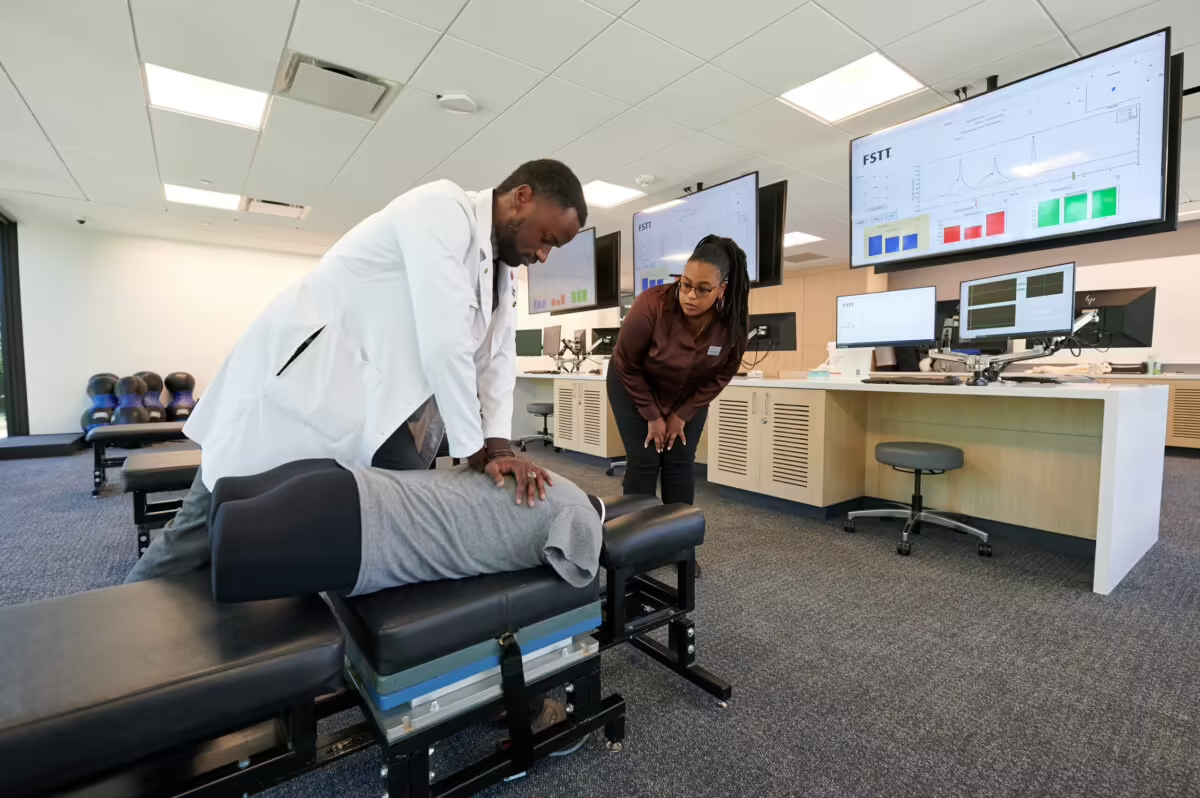
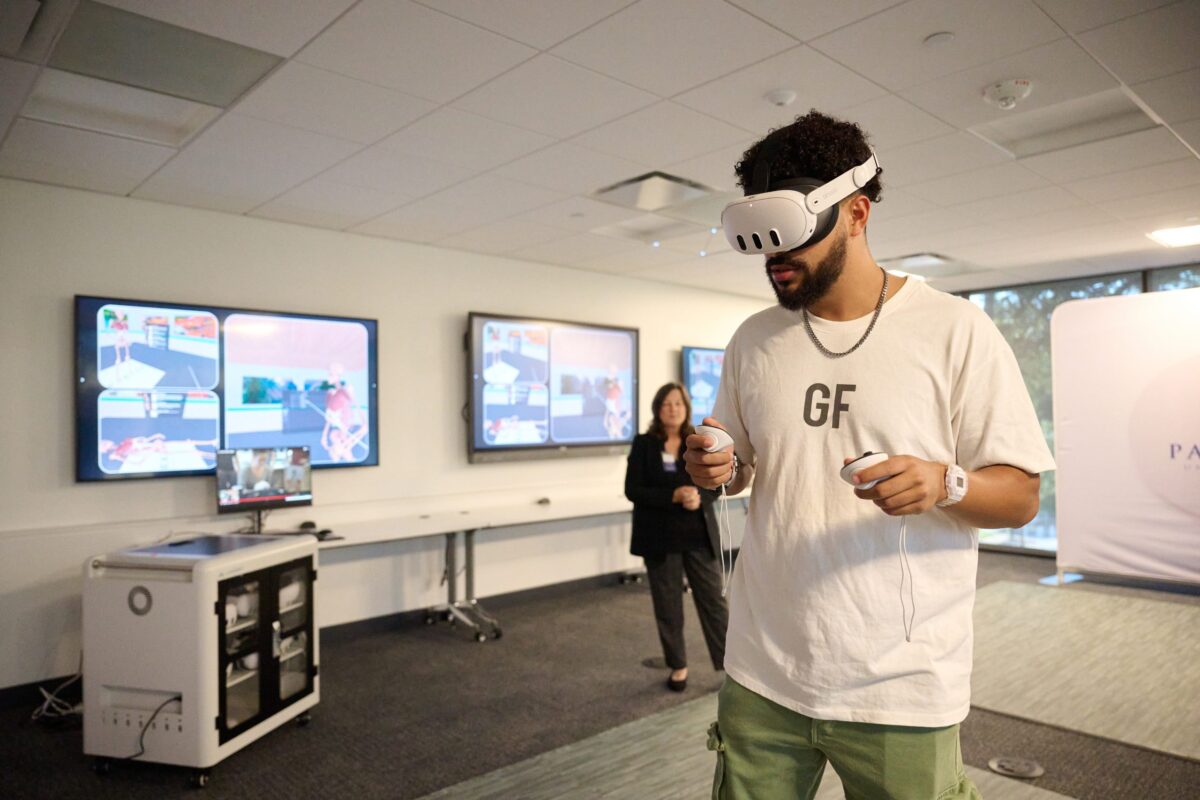
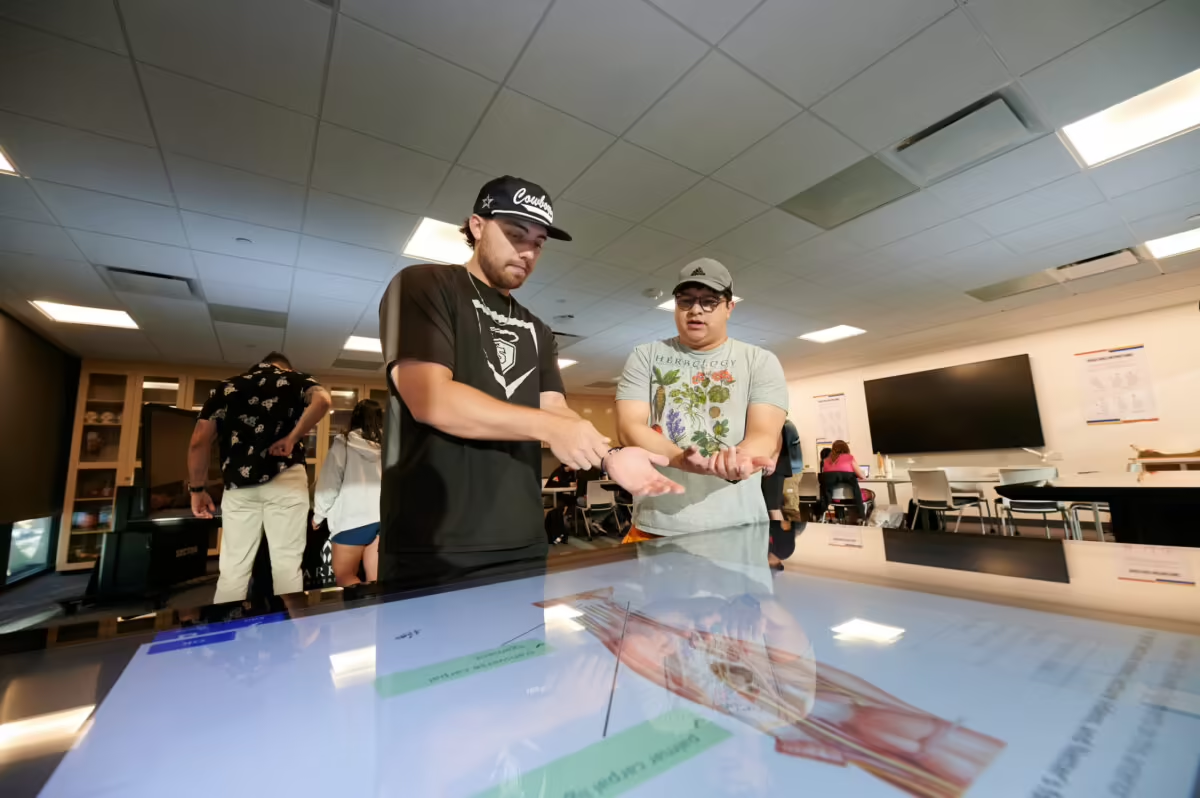
Use interactive anatomy, imaging, and simulation technology to strengthen the connection between classroom learning and hands-on training.
-
Industry Connection
Connect with practicing professionals and continued learning opportunities through Parker Seminars and Parker Success Academy.
-
Add a Graduate Degree
Academically qualified students can add an additional Parker graduate degree with a 100% tuition scholarship while completing their DC.
Two Ways to Start the DC Program
-

Traditional Track
Start in Dallas from your first trimester with in-person and online coursework, labs, campus resources, and the full Parker student experience from day one.
Campus life gives you plenty of ways to get involved outside class, from student organizations and ParkerFit to traditions like Tri Olympics, where trimester teams compete across campus.
-

First Year Online Track
Start your DC education online with approved coursework, giving you more time to plan your move to Dallas without delaying your degree. When it’s time for technique, labs, and other required hands-on training, you’ll transition to campus and continue the program in person.
Parker’s online student resources are available to help you stay connected and supported while you get started.
Curriculum
What You'll Learn
Build the scientific knowledge, clinical ability, and professional skills needed for patient care and chiropractic practice.
Foundational Health Sciences
Anatomy, physiology, pathology, neuroscience, and related sciences that support patient care.
Chiropractic Technique
Biomechanics, motion palpation, and spinal and extremity adjusting techniques.
Clinical Assessment
Physical examination, diagnosis, diagnostic imaging, and laboratory testing.
Patient Care
Care planning, functional assessment, rehabilitation, and patient management across different stages of life.
Professional Practice
Patient communication, documentation, collaboration, and chiropractic business fundamentals.
Clinical Preparation
Where Training Gets Real
Move from classroom and lab learning into supervised patient care through Parker’s clinical curriculum.
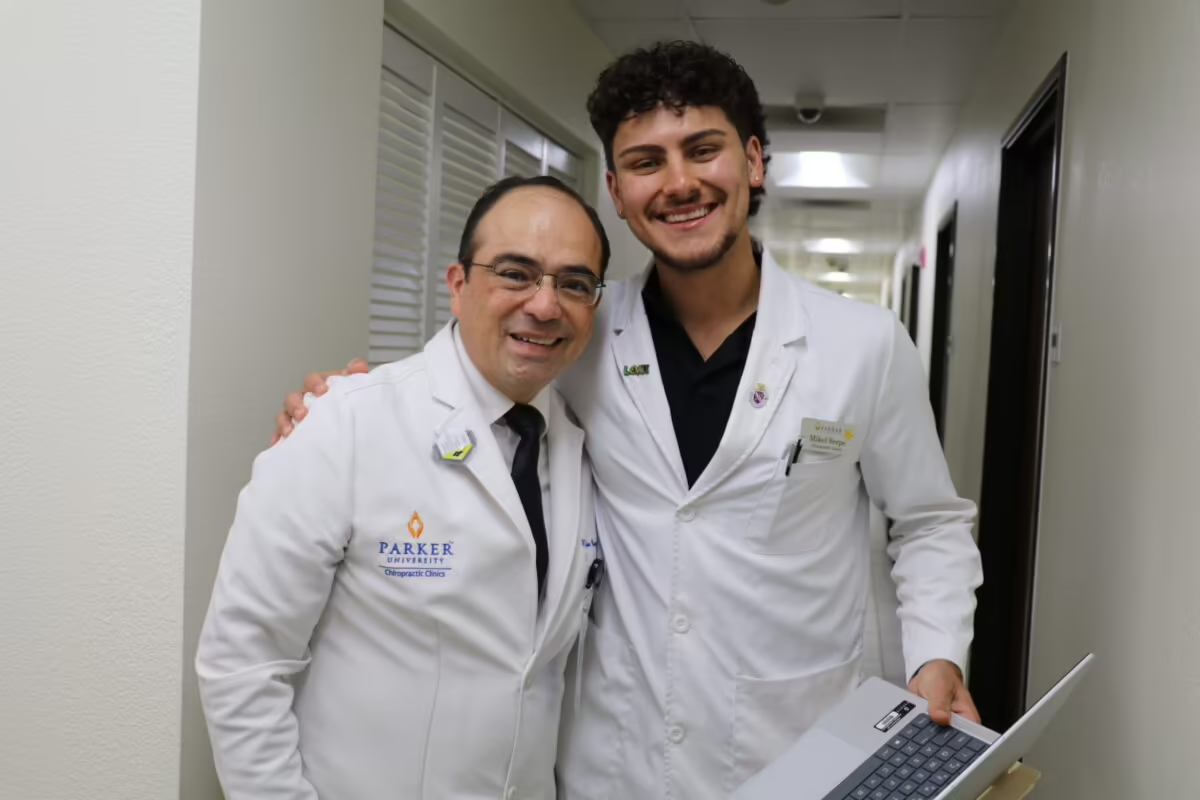
- Parker University Chiropractic Clinics: Develop patient-care skills in collaboration with experienced doctors at university clinics.
- Practice-Based Experience: Learn from credentialed practitioners through community and practice-based internships.
- Broader Healthcare Settings: Pursue opportunities in hospital, military, veterans’ health, and other integrated care environments.
Industry Connection
Connected to the Profession
Parker Seminars gives DC students opportunities to hear from industry leaders, meet practicing professionals, and stay connected to topics and conversations across chiropractic outside the classroom.
After graduation, Parker Success Academy provides continuing education through online and in-person courses, giving you a familiar resource to keep learning throughout your career.



Educational Technology
Learning Tools in Action
Technology at Parker gives you another way to study anatomy, work with clinical imaging, and practice clinical decision-making. Use tools like VH Dissector and the Sectra Education Portal to work with 3D anatomy and imaging, then apply what you’re learning through customized SimX virtual reality cases designed for chiropractic training.
Expand Your Education
Add A Graduate Degree to Your DC
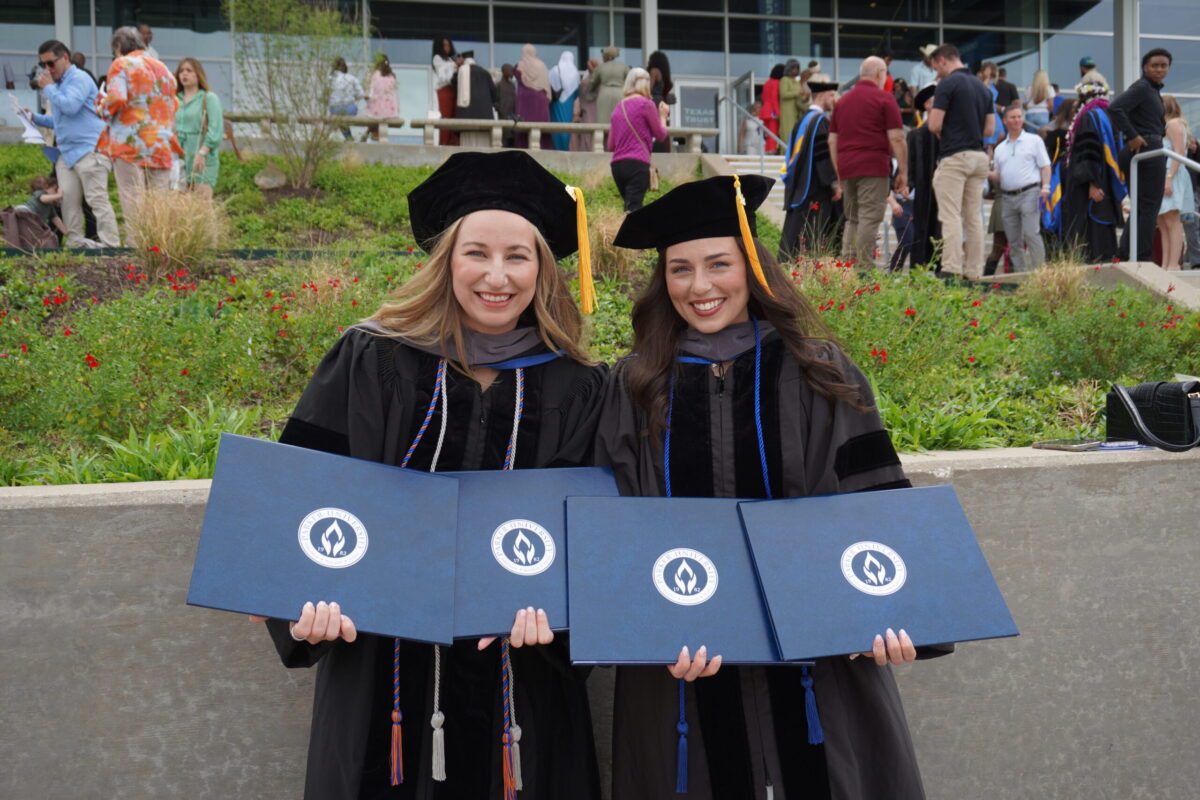
As early as your sixth trimester, you can apply to one of Parker’s online master’s programs and earn an additional graduate degree while completing your DC. Students who meet the master’s program admission requirements can receive a 100% tuition scholarship for the additional degree. Choose an area of study that interests you and stack your skills with knowledge that supports where you want to go next.
Master’s degree must begin before DC graduation and be completed within two years of DC graduation.
Research at Parker
Parker University continues to contribute to chiropractic research, connecting students with current studies and peer-reviewed work across the profession.

CHIROPRACTIC MANAGEMENT OF PUBIC SYMPHYSIS PAIN IN A PREGNANT PATIENT: A CASE REPORT (opens in a new tab)
October 2026
This paper describes the resolution of pubic symphysis pain (PSP) in a pregnant patient following treatment with chiropractic adjustments.

TRANSFORMING CHIROPRACTIC PRACTICE: THE WHOLE HEALTH CHIROPRACTIC IMPLEMENTATION FRAMEWORK (WHCIF) (opens in a new tab)
October 2026
This paper presents the Whole Health Chiropractic Implementation Framework (WHCIF), a conceptual model describing how Whole Health can be operationalized in community based chiropractic clinics.

THE EVOLUTION OF CHIROPRACTIC LEXICON: LEGAL PRESSURES, PROFESSIONAL IDENTITY, AND THE LANGUAGE OF LEGITIMACY (opens in a new tab)
October 2026
This paper examines the historical development of chiropractic lexicon and its role in shaping professional identity, legal strategy, and contemporary scope-of-practice debates.

THE POSITIONING OF CHIROPRACTIC CARE ALONG THE MIND–BODY SPECTRUM: A CROSS-SECTIONAL STUDY OF CHIROPRACTORS’ BELIEFS (opens in a new tab)
October 2026
This paper examines chiropractors’ beliefs about the balance of mind- and body-based mechanisms underlying chiropractic care.

RED FLAG RECOGNITION AND EXPEDITED REFERRAL BY A CHIROPRACTIC PHYSICIAN IN A CASE OF SOLITARY BONE PLASMACYTOMA (opens in a new tab)
October 2026
This paper discusses the diagnosis and management of a patient with chronic thoracic spine pain who was diagnosed with a rare thoracic tumor.

DD PALMER’S EARLY CAUTION REGARDING CERVICAL ADJUSTMENTS: MEDICAL POLITICS OR CLINICAL PRUDENCE? A HISTORICAL RE-EXAMINATION OF PRIMARY SOURCES (opens in a new tab)
September 2026
This paper analyzes the divergence between these primary accounts and evaluates whether DD Palmer’s early restraint reflected primarily political expediency or clinically grounded prudence.
Career Outlook
Where Your DC Degree Can Take You
A Doctor of Chiropractic degree can lead to careers in private practice, multidisciplinary healthcare, sports and performance, and specialized areas of care.
Sports & Performance
Sports chiropractic focused on movement, injury recovery, performance, and the needs of athletes and active patients.
Pediatrics & Perinatal Care
Chiropractic care for children, pregnant patients, and families, with approaches adapted to different ages and stages of life.
Chiropractic Neurology
An advanced area of practice centered on the relationship between the nervous system, movement, balance, and function.
Animal Chiropractic
A specialized path involving chiropractic care for animals, with additional postgraduate training, certification, and practice requirements.
-
Accredited by The Council of Chiropractic Education (CCE)
The Doctor of Chiropractic degree program at Parker University is awarded programmatic accreditation by The Council on Chiropractic Education, 10105 E. Via Linda, Suite 103 – 3642, Scottsdale, AZ, 85258-4321, Phone: (480)443-8877, Website: www.cce-usa.org.

Doctor of Chiropractic FAQs
What is a Doctor of Chiropractic (DC) degree?
A Doctor of Chiropractic, or DC, is the professional doctoral degree earned by chiropractors. DC education includes health sciences, chiropractic technique, clinical assessment, patient care, and professional practice.
How long is Parker University's Doctor of Chiropractic program?
Parker University’s Doctor of Chiropractic program is 10 trimesters long, with start terms in January, May, and September.
Can I start Parker's Doctor of Chiropractic program online?
Yes. The First Year Online Track allows students to begin with approved online coursework before transitioning to Dallas for technique, labs, and other required in-person training. The Doctor of Chiropractic program is not fully online.
How much does Parker University’s Doctor of Chiropractic program cost?
For the 2026–2027 academic year, full-time tuition for Parker University’s Doctor of Chiropractic program is $14,130 per trimester. Student fees and other costs are separate.
See the tuition page for more information.
When does Parker University’s Doctor of Chiropractic program start?
Parker University’s Doctor of Chiropractic program has start terms in January, May, and September. Applications are accepted on a rolling basis, with specific start dates available for each upcoming term.
What are the admission requirements for Parker University’s Doctor of Chiropractic program?
Parker offers three minimum academic eligibility pathways: a bachelor’s degree from an accredited institution; at least 90 credit hours with a 3.0 GPA or higher; or 90 credit hours with a 2.75 GPA or higher and 24 credit hours in life and physical sciences. Review the full Doctor of Chiropractic admission requirements for additional details.
What should I look for when choosing a chiropractic school?
Important factors include programmatic accreditation, curriculum, clinical experience, learning format, faculty, cost, location, and preparation for professional practice. Comparing those areas can help you find a chiropractic program that fits your goals.
Do chiropractors need a license to practice?
Yes. Chiropractors must be licensed in the state where they practice. Licensure requirements vary by state and typically include earning a Doctor of Chiropractic degree, passing required board examinations, and meeting additional state requirements.
Is Parker University's chiropractic program accredited?
Parker University’s Doctor of Chiropractic program is accredited by the Council on Chiropractic Education (CCE), the recognized accrediting agency for chiropractic education. Accreditation by CCE confirms that the program meets rigorous standards for chiropractic education and clinical training. Students should ensure that any chiropractic program they consider is accredited by the CCE, as it is an important piece of preparing graduates to pursue chiropractic licensure.